

Why Every City Needs More Interior Designers?
Jan 09, 2026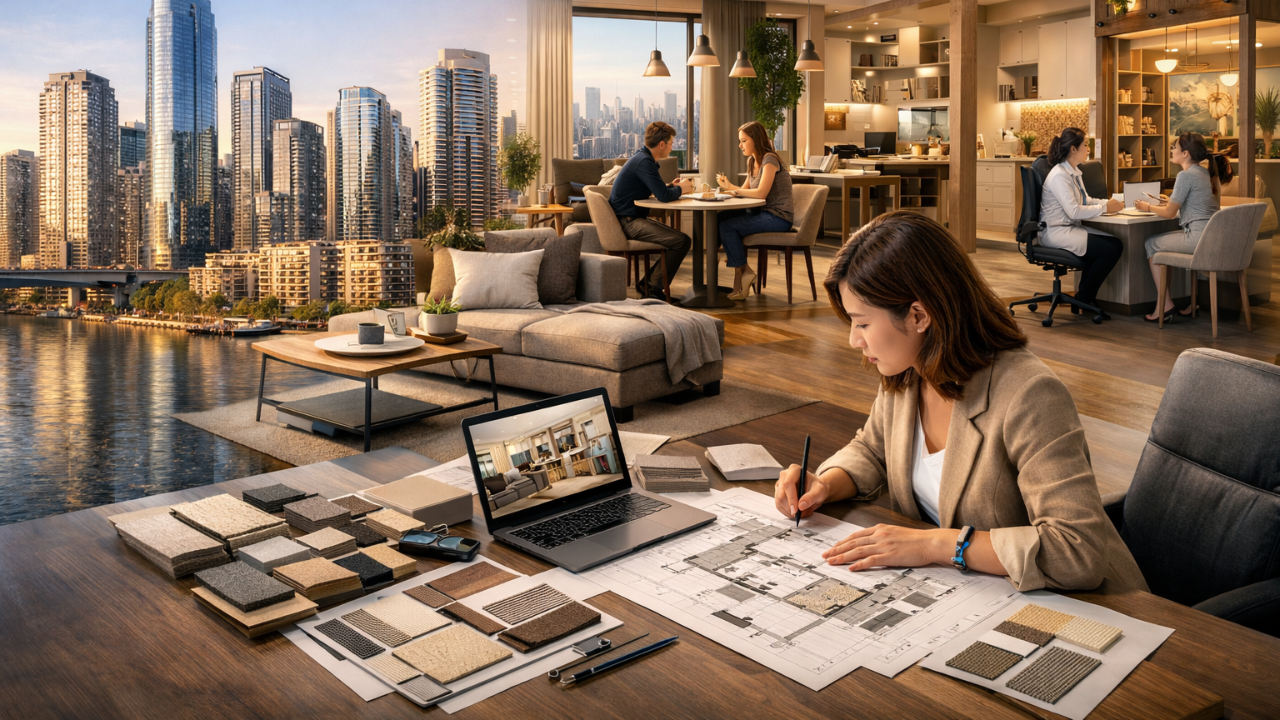
Why Every City Needs More Interior Designers?
Interior Designer
Every city's skyline is changing. New homes, offices, cafés, clinics, retail stores, co-working spaces, and commercial hubs are being built every day. But a building alone is never enough. What makes a space functional, comfortable, and visually appealing is interior design.
Many people still believe interior design is only about decoration or choosing colors and furniture. In reality, interior designers play a crucial role in shaping how people live, work, and interact with spaces. As cities expand and lifestyles evolve, the demand for skilled interior designers continues to rise steadily.
This blog explains why interior designers are in demand in every city, what they actually do, the skills required, career scope, salary growth, and how students can build a career in this field.
. . .
The Reality Behind Interior Design
Interior design is often misunderstood as a luxury profession meant only for high-end homes. The reality is very different. Interior designers are problem solvers who balance aesthetics, functionality, budget, safety, and client requirements.
Every city requires interior designers not just for homes, but also for offices, hospitals, hotels, restaurants, educational institutes, retail stores, and public spaces. As urban living spaces become smaller and more complex, professional planning becomes essential.
Interior design today is a technical and creative profession, requiring structured thinking, practical knowledge, and coordination with multiple stakeholders.

. . .
What Does an Interior Designer Actually Do?
Interior designers are involved in much more than visual styling. Their responsibilities include:
- Understanding client requirements and lifestyle needs.
- Space planning and layout development.
- Preparing drawings and 3D visualizations.
- Selecting materials, finishes, furniture, and lighting.
- Coordinating with contractors, carpenters, electricians, and vendors.
- Managing timelines, budgets, and site execution.
Designers frequently visit sites to ensure work is executed as planned. They bridge the gap between concept and construction. In cities with continuous development, this role becomes indispensable.
. . .
Skills Required to Succeed in Interior Design
Interior design demands a combination of creativity and technical expertise. Key skills include:
- Creative Visualization: Ability to imagine spaces before they exist.
- Technical Knowledge: Understanding layouts, measurements, materials, and construction basics.
- Software Skills: Working with design and visualization tools.
- Communication Skills: Explaining concepts clearly to clients and teams.
- Problem-Solving Ability: Adapting designs to site constraints and budgets.
- Project Coordination: Managing people, timelines, and tasks efficiently.
Designers who continuously upgrade their skills stay relevant in a competitive city-based market.
. . .
Career Scope & Opportunities in Interior Design
Interior designers can work across various sectors, including:
- Residential design. (homes, apartments, villas)
- Commercial design. (offices, retail, hospitality)
- Healthcare and institutional projects.
- Real estate and developer firms.
- Independent practice and freelancing.
Cities offer constant opportunities due to renovation projects, new constructions, and evolving trends. Designers can work with firms, developers, architects, or start their own studios.

. . .
Salary & Growth Reality
Interior design offers gradual but strong growth. Earnings depend on skills, experience, and project scale.
- Entry-level designers usually start with assisting roles.
- With experience, designers handle independent projects.
- Freelancers earn per project rather than fixed salaries.
- Studio owners and consultants have higher income potential.
As designers build portfolios and networks within cities, career stability improves significantly.
. . .
How to Start a Career in Interior Design
Students interested in interior design should focus on skill-based education rather than only theoretical knowledge. A strong foundation includes:
- Learning design principles and construction basics.
- Understanding materials and space planning.
- Gaining hands-on experience through live projects.
- Developing a professional portfolio Practical exposure prepares students for real site challenges found in city projects.
. . .
Why Professional Training Matters?
Self-learning without guidance often leads to gaps in execution and technical understanding. Professional training helps students:
- Learn structured design processes.
- Understand real-world site conditions.
- Build industry-ready portfolios.
- Gain mentorship and career direction.
Cities demand professionals who can deliver results, not just ideas.

. . .
Conclusion & Call to Action
Interior designers play a vital role in shaping modern cities. From homes to workplaces, their impact is everywhere. With continuous urban development, the demand for skilled interior designers will only grow.
If you are passionate about design and want to work on real projects, choosing the right training path is crucial. At INIFDe & TTA, we focus on practical learning, live exposure, and career guidance to prepare students for the industry.
📞 Book a career counselling session.
📍 Visit our campus and explore the learning environment.
. . .
