
Behind Every Grand Event Is a Smart Event Manager
Jan 09, 2026
Concerts, weddings, exhibitions, corporate launches, and sports events appear seamless to audiences. What most people don’t see is the intense planning, coordination, and problem-solving that happens behind the scenes. This responsibility lies with event managers.
Event management is not about glamour or stage presence alone. It is about logistics, teamwork, time management, and decision-making under pressure. With increasing demand for organized experiences, skilled event managers are required in every city.
This blog explains the reality of event management, the skills required, career scope, income growth, and how students can enter this field.
. . .
The Reality Behind Grand Events
Events are high-pressure projects with fixed deadlines. Unlike other industries, delays are not an option. Event managers handle unpredictable situations such as weather changes, vendor issues, technical failures, and last-minute client demands.
Every successful event is the result of detailed planning, coordination, and contingency management. The glamour seen on stage is supported by weeks or months of behind-the-scenes work.
What Does an Event Manager Actually Do?
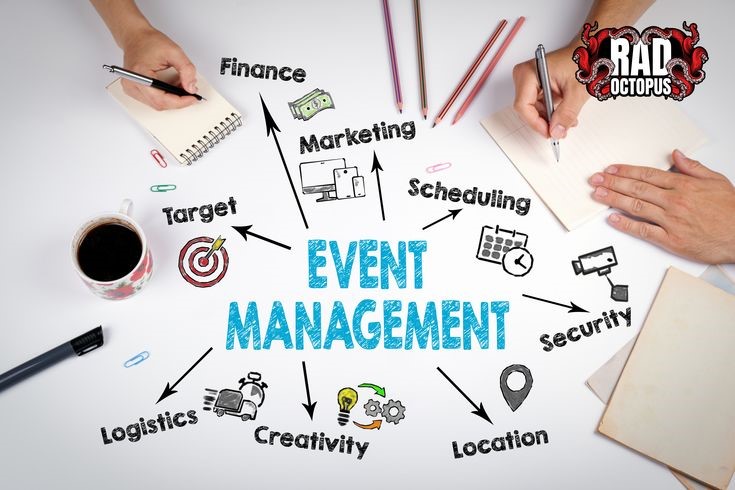
Event managers are responsible for:
- Concept development and budgeting.
- Vendor coordination and negotiations.
- Venue planning and logistics.
- Timeline and manpower management.
- On-ground execution and crisis handling.
They act as the central point connecting clients, vendors, artists, and teams.

. . .
Skills Required to Succeed in Event Management
Key skills include:
- Planning & Organization: Managing multiple tasks simultaneously.
- Communication Skills: Coordinating with diverse teams.
- Problem-Solving Ability: Handling on-ground challenges.
- Time Management: Working with strict deadlines.
- Leadership Skills: Managing teams under pressure.
- Client Handling: Understanding expectations and delivering results.
These skills are best learned through practical exposure.
. . .
Career Scope & Opportunities in Event Management
Event managers work in:
- Event agencies and production houses.
- Corporate event teams.
- Wedding and social event companies.
- Sports and entertainment events.
- Freelance and independent setups.
Cities provide continuous opportunities due to social, corporate, and cultural activities.
. . .
Salary & Growth Reality
Event management careers grow with experience and networks.
- Freshers start by assisting teams.
- Mid-level professionals handle projects independently.
- Freelancers earn per event.
- Agency owners scale through multiple projects.
Growth depends on execution quality and client satisfaction.
. . .
How to Start a Career in Event Management
A strong start includes:
- Learning event planning fundamentals.
- Understanding vendor management.
- Gaining on-ground experience.
- Developing coordination and leadership skills.
Courses focused on live projects prepare students for real challenges.
. . .
Why Professional Training Matters?

Learning only through theory does not prepare students for real events. Professional training offers:
- Live event exposure.
- Industry mentorship.
- Practical execution experience.
- Career guidance.
This experience builds confidence and employability.
. . .
Conclusion & Call to Action
Behind every successful event is a skilled event manager who ensures everything runs smoothly. Event management is demanding but rewarding for those who thrive under pressure. At INIFDe & TTA, we provide practical training, live event exposure, and industry guidance to prepare students for this dynamic career.
📞 Book a career counselling session.
📍 Visit our campus and experience real event learning.
. . .
