
Who Creates What You Watch on Netflix & YouTube?
Jan 09, 2026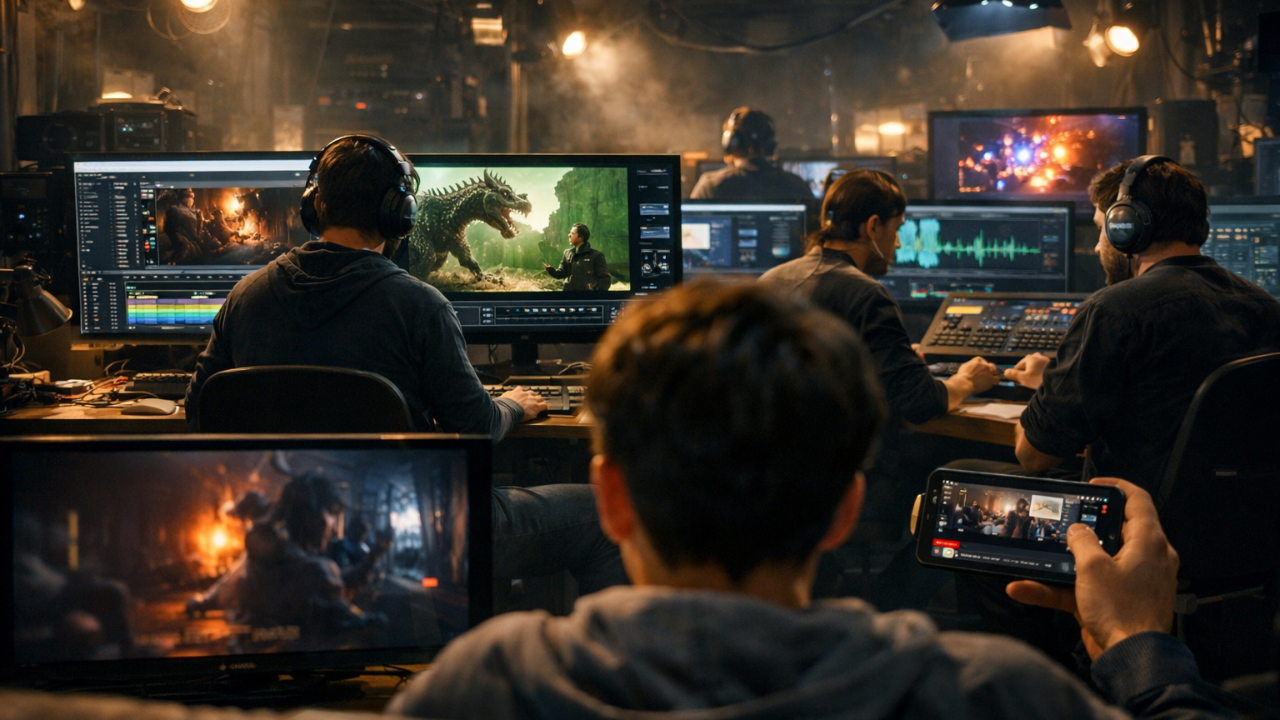
Streaming platforms like Netflix and YouTube have become a daily part of our lives. From binge-worthy web series and films to short videos, vlogs, ads, reels, and animations—we consume hours of content every day. But very few people stop to think about who actually creates what we watch on these screens.
Many students assume that content creation is limited to actors, influencers, or YouTubers. In reality, behind every minute of visual content is a large team of skilled creative professionals working across animation, graphics, VFX, editing, sound, and storytelling. These are real careers, not hobbies—and they are growing faster than most traditional job roles.
This blog breaks down the reality behind Netflix and YouTube content, the people involved, the skills required, career scope, salary growth, and how students can enter this industry in a structured way.
. . .
The Reality Behind What You Watch on Screens
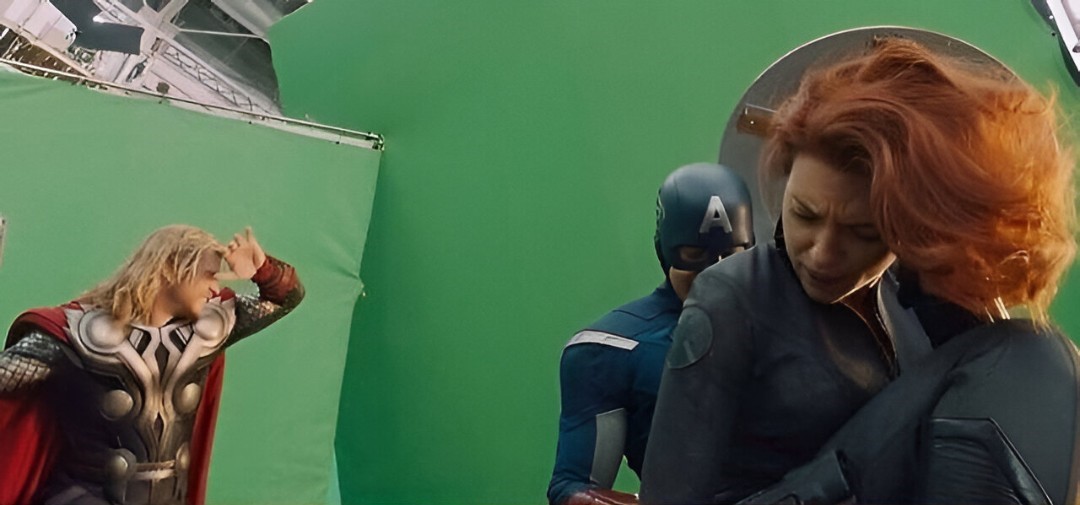
What we see on Netflix or YouTube is the final output, not the full story. A single episode, video, or animated sequence goes through multiple stages before it reaches the audience. From concept development and storyboarding to animation, visual effects, editing, and post-production—each step is handled by trained professionals.
Social media often creates the illusion that content is created overnight or by one person. In reality, even a 10-minute video can involve designers, animators, editors, sound artists, and creative directors. The industry values skills, consistency, and teamwork, not just visibility or followers.
Understanding this reality is important for students who are genuinely interested in building a long-term career in the media and entertainment industry.
Before
After

. . .
Who Actually Creates Netflix & YouTube Content?
The content you watch is created by a creative production ecosystem, not a single individual. Depending on the type of content, the team may include:
- Animators & Motion Graphic Artists who bring characters, objects, and concepts to life.
- Graphic Designers who create visual layouts, thumbnails, branding, and promotional creatives.
- Video Editors who structure raw footage into engaging stories.
- VFX Artists who add visual effects, compositing, and enhancements.
- Storyboard Artists who plan scenes before production begins.
- Sound Designers & Editors who create immersive audio experiences.
- Creative Directors who oversee the overall visual and storytelling quality.
On platforms like YouTube, teams may be smaller, but professional channels still rely heavily on skilled editors, designers, and motion artists. On Netflix, projects are executed by full-scale production houses and studios employing hundreds of creatives.
. . .
Skills Required to Succeed in This Industry
Success in animation, graphics, and media is not based on talent alone. It requires a combination of technical expertise, creativity, and professional discipline.
Some of the most important skills include:
- Creative Visualization: The ability to imagine scenes, motion, and storytelling visually before execution.
- Software Proficiency: Working knowledge of tools like animation, editing, and design software.
- Storytelling Sense: Understanding pacing, emotions, and audience engagement.
- Attention to Detail: Precision in frames, transitions, colors, and timing.
- Communication Skills: Working with teams, directors, and clients effectively.
- Consistency & Discipline: Meeting deadlines and maintaining quality under pressure
Students who develop these skills through structured training and practice stand out in the industry.
. . .
Career Scope & Opportunities in Animation and Media
The demand for skilled visual content creators has increased rapidly due to OTT platforms, digital marketing, gaming, advertising, and social media growth. Career opportunities are not limited to films or series.
Professionals can work in:
- OTT platforms and production studios.
- YouTube content teams and digital agencies.
- Advertising and branding agencies.
- Gaming and interactive media companies.
- Corporate media and e-learning platforms.
Career roles include animator, motion graphic designer, video editor, VFX artist, content designer, and creative supervisor. Many professionals also work as freelancers or independent creators for global clients.
The scope is not restricted to one city or country. Skilled professionals often work remotely for international projects.
. . .
Salary & Growth Reality
At the entry level, freshers can expect modest but stable earnings while they build experience and portfolios. Growth in this industry is skill-driven, not degree-driven.

Typically:
- Entry-level professionals start with basic roles and junior positions.
- With 2–3 years of experience, earnings increase significantly.
- Skilled freelancers and specialists often earn more than salaried roles.
- Professionals who build strong portfolios and networks grow faster.
Those who combine creativity with business understanding eventually move into leadership roles or start their own studios.
. . .
How to Start a Career in Animation & Visual Media?
Students often ask whether a traditional degree is enough to enter this field. The truth is, skills and portfolios matter more than certificates. A strong career foundation includes:
- Learning industry-relevant software and techniques.
- Working on practical projects, not just theory.
- Building a professional portfolio.
- Understanding industry workflows and expectations.
Short-term and long-term professional courses focused on practical learning are often more effective than purely academic programs.

. . .
Why Professional Training Matters
Many aspiring creators try to self-learn through random online tutorials. While this can help initially, it often leads to gaps in fundamentals, poor workflow understanding, and weak portfolios.
Professional training provides:
- Structured learning paths.
- Mentorship from industry-experienced trainers.
- Exposure to real-world projects.
- Portfolio guidance and career direction.
This difference becomes clearly visible when students start applying for jobs or freelance work.
. . .
Conclusion & Call to Action
The content you enjoy on Netflix and YouTube is created by skilled professionals who have invested time in learning, practicing, and refining their craft. Animation, graphics, and visual media are not shortcut careers—but they are rewarding for those who approach them seriously.
If you are passionate about visuals, storytelling, and digital creativity, choosing the right training path is crucial.
At INIFDe & TTA, we focus on practical learning, industry exposure, and career readiness rather than just theory.
Book a career counselling session
Visit our campus to understand the journey before you decide
. . .
